
Share this article:


The new coronavirus pandemic has taken a toll on our daily lives. And, as a growing number of states issue stay-at-home orders, it’s more important than ever to be mindful of our shopping and cooking habits. But, how do you plan your meals and grocery store trips during times like these? Here are a few tips to help you stay on top of it all:
Buy what you need and make shopping lists
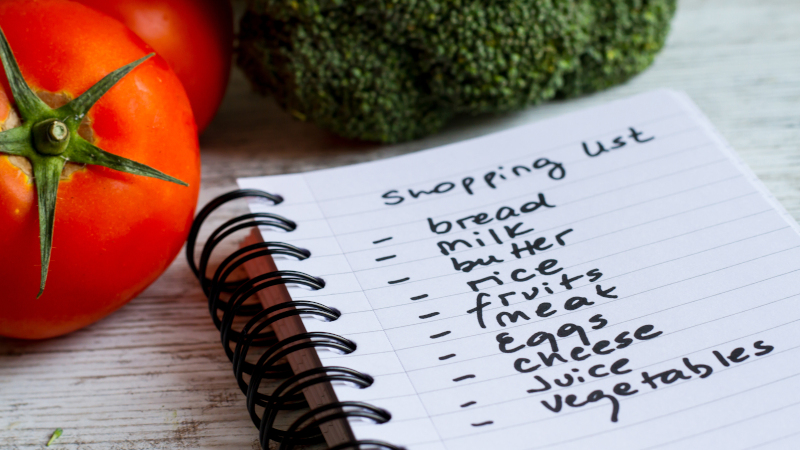
First, don’t go out without a shopping list. This will help ensure you get everything you need and avoid unnecessary purchases. Start by taking inventory of what you already have in the house, and plan your meals in advance to cut down on the number of trips you need to make to the grocery store. As an added bonus, a shopping list will also help reduce impulse buying, which is especially important now as you keep a close eye on your finances.
Meanwhile, avoid buying items months in advance “just in case.” Rest assured that, although people have been panic-buying, grocery stores are still getting restocked and won’t run out of necessities. For instance, you might think you need enough rice to last you for months, but you’ll likely end up with a cluttered pantry and a lot of extra rice. Especially if you’re in a big city, like if you’re living in a Sacramento apartment, don’t worry about finding everything you’ll need.
Also, if possible, shop in smaller stores as opposed to large supermarkets or bulk warehouse clubs. By doing so, you’ll avoid large crowds and items that have been touched by many other people — further reducing the likelihood that you’ll be exposed to the coronavirus.
Keep storage spaces organized and use your freezer
While you shouldn’t hoard items to last you for months, having a few key staples on hand will prevent you from having to venture out too often. Therefore, be sure to keep your storage area clutter-free so you have space to store food and drinks that need to be kept out of the sun or in cool, dry places. Or, if you don’t have much room for storage, consider relocating your plates and pans to accommodate items like cooking oil or wine.
Along the same lines, remember that you can freeze vegetables, meat, bread and even cheese to keep them longer. This may also be a great time to invest in a vacuum sealer, which prolongs the life of your food in both the refrigerator and the freezer.
Avoid food waste and repurpose leftovers
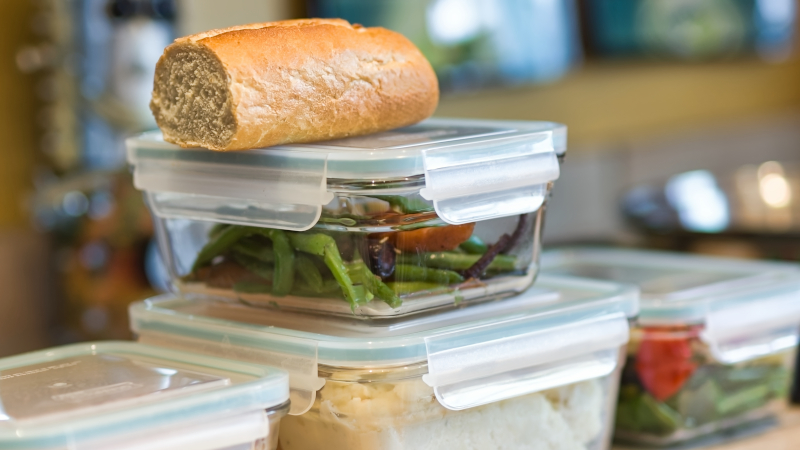
In addition to helping you shop more effectively, meal planning also helps you save food and avoid waste. In particular, refrain from cooking more than you need in a day if you know you won’t eat the leftovers. Or, if you do have extra food, repurpose it. For example, leftover meat can be used in sandwiches, while leftover vegetables can be turned into stew.
At the same time, this is the perfect opportunity to learn to eat leftovers if you’re the type of person who usually avoids them. Specifically, use the first-in, first-out rule with perishables to make sure the food doesn’t spoil. This means you should eat older food at the back of the fridge before moving to the newer items at the front.
And, when it comes to flour, rice and other foods you don’t use all at once, make sure you seal the bags or store them in airtight containers to prevent moisture from getting in.
Don’t give up on the foods you love
Finally, while you might be feeling the need to avoid purchasing snacks, drinks and other non-essential items that you love, allow yourself to have these little treats. That’s not to say you should go overboard with the shopping spree, but comfort foods are just that — a way to destress, relieve anxiety and enjoy something that reminds you of better times. So, if that special latte brings you some peace during stressful moments, don’t feel guilty about it.
Looking for a new place with a kitchen made for home-cooking? Browse through thousands of apartments near you and find your next home.
Share this article:


Irina Lupa
Irina Lupa is a creative writer for several Yardi publications, where they cover real estate market trends and industry news. Their work has been cited in Forbes, Globe St. and CNBC, among others. Irina has an academic background in journalism and media theory. You can connect with Irina via email.
Sign up for The Ready Renter newsletter
Get our free apartment hunting guide — plus apartment living tips, trends and research.




Related posts

5 practical tips for renters adjusting after a move
Moving into a rental property is a major life moment. Whether you relocated across town or to another city, the transition can feel both exciting…

Pet liability insurance for renters: What it covers and why it matters
Pets make an apartment feel more like home, but they can also lead to unexpected costs and responsibilities. If your dog bites a visitor or your cat damages…

7 downsizing tips for seniors
There comes a time when less really is more. For many older adults, the big home that once fit a full family now feels too…
Subscribe to
The Ready Renter newsletter