Share this article:


Pittsburgh is a city of three rivers, steep ridges and nearly 450 bridges. All that terrain shapes how you get from your front door to work, class or a Saturday outing. For renters who’d rather skip car payments, expensive gas fill-ups and the daily hunt for parking, a dependable transit network is one of the real perks of living here.
The network is run by Pittsburgh Regional Transit, or PRT, the agency many locals still call the Port Authority. Because the city grew up around its rivers and hillsides, neighborhoods tend to be compact and close together, which plays to transit’s strengths. Where you land on the map, though, makes a real difference in which options sit right outside your door.
This guide walks through the main ways to get around Pittsburgh without a car, what each one does well and where it falls short, so you can weigh transit alongside rent and square footage as you compare Pittsburgh apartments.
Quick takeaways:
- Pittsburgh transit runs on buses, light rail, dedicated busways, two hillside inclines and a citywide bike share.
- Most bus routes lead to Downtown, so a car-free commute is realistic from many neighborhoods.
- One flat fare covers three hours of rides and transfers across the whole system.
A quick rundown of Pittsburgh public transit
Pittsburgh Regional Transit buses
Buses are the main way people get around Pittsburgh. PRT runs close to 100 bus routes, and the large majority pass through Downtown at some point, which makes the Golden Triangle the natural hub for transfers.
Service reaches nearly every corner of Allegheny County, from the East End to the South Hills to the riverfront neighborhoods. The 28X Airport Flyer even links Pittsburgh International Airport with Oakland and Downtown for the same standard fare, so catching a flight doesn’t have to mean a rideshare.
For renters, the bus is often the difference between a neighborhood that works car-free and one that doesn’t. Frequency varies widely by route and time of day. Busy corridors run often, while some suburban and northern routes only operate during weekday rush hours. During rougher weather, snow and the occasional bridge closure can stretch travel times too, so PRT’s TrueTime tracker or the Transit app is worth keeping on your phone.
When you’re weighing an apartment, check which routes stop nearby and how often they run in the evening and on weekends.
The T (light rail)
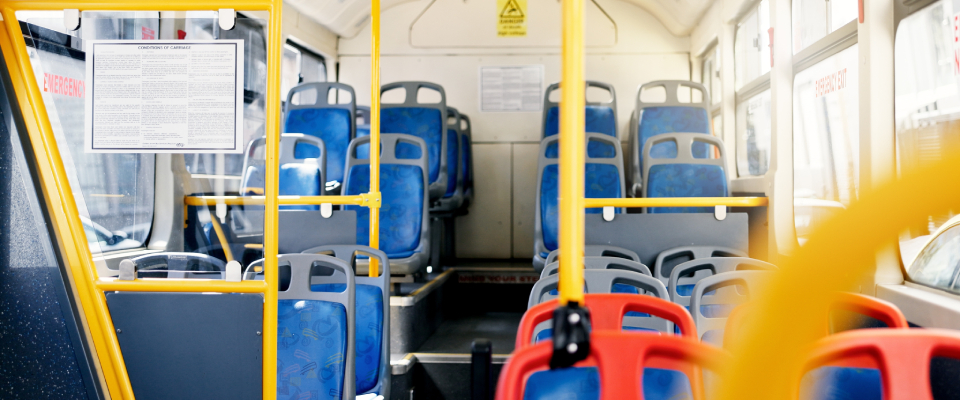
The T is Pittsburgh’s light rail system. Three color-coded lines — Red, Blue and Silver — connect Downtown and the North Shore with the South Hills, running underground through the center of the city before surfacing toward neighborhoods like Beechview, Dormont, Mt. Lebanon, Castle Shannon and Bethel Park.
Two things make the T especially handy for renters. First, travel is free within the downtown zone, anywhere between Allegheny Station on the North Shore and First Avenue Station Downtown. Hopping between the stadiums, the cultural district and the office costs nothing. Second, for anyone commuting from the South Hills, the T slides past the traffic on the roads into town.
The catch is that the network is smaller and runs mainly north to south, so it’s less useful if your daily trips head east into Oakland or the East End. Track work also comes up from time to time — the Mount Washington tunnel, for example, has seen extended closures — so check for detours before you count on a station.
If your job or campus sits along the line, an apartment near a T stop in the South Hills can turn a stressful drive into a quiet ride with a book.
The busways
Not every bus in Pittsburgh crawls through traffic. The MLK Jr. East Busway, the West Busway and the South Busway have separate roads, which lets them avoid rush hour traffic. The South Busway, opened in 1977, was one of the first corridors of its kind in the country.
For renters, the East Busway is the standout. It runs from Downtown’s Penn Station out through the East End to Wilkinsburg and Swissvale, so neighborhoods along the spine of East Liberty, Friendship and nearby Bloomfield get quick, frequent service into the city. The West Busway serves communities out toward Carnegie, and the South Busway ties the South Hills back to Station Square.
An apartment within walking distance of a busway station is one of the surest ways to shorten a Pittsburgh commute.
The University Line
The newest piece of the network is the University Line, PRT’s first rapid transit bus route under its PRTX brand. It follows the busy Fifth and Forbes corridor linking Downtown, Uptown and Oakland, the stretch that carries students, hospital staff and office workers between the city center and the universities every day.
The idea is straightforward: give buses their own lanes, upgraded stations and priority at traffic lights so they stop getting stuck behind cars. The first stations opened Downtown in the summer of 2025, with buses timed to arrive every few minutes during peak hours.
It’s still a work in progress. Construction continues through Uptown and Oakland and isn’t scheduled to finish until 2027, so the full speed and reliability gains aren’t in place along the whole route yet. Even so, it already serves one of the most heavily traveled corridors in the city.
If you work or study in Oakland, home to the University of Pittsburgh, Carnegie Mellon and the UPMC hospitals, an apartment along this corridor keeps you close to one of Pittsburgh’s largest job centers.
POGOH bike share
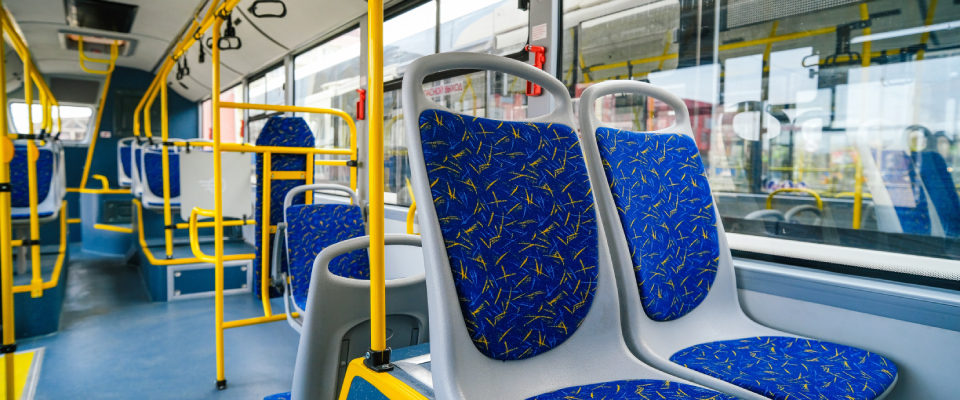
For shorter hops, POGOH is Pittsburgh’s bike share, formerly known as Healthy Ride. You unlock a bike at a docking station with the app, ride where you’re going, then return it to another dock. More than half the fleet is electric-assist, which counts for a lot in a city this hilly, since the motor handles the climbs.
Stations cluster in Downtown, the North Side, Oakland, Shadyside, Squirrel Hill and the South Side, with more being added as the network expands. POGOH is at its best for the “last mile” between a transit stop and your door, or for quick errands too short to justify a bus.
Because it’s dock-based, you can only start and end a trip at a station, and coverage thins out beyond the inner neighborhoods. If biking is part of your plan, it’s worth asking whether an apartment building offers secure bike storage too.
Paired with a transit pass, a POGOH membership fills the gaps that buses and trains don’t quite reach.
The inclines
Few cities offer a funicular as part of the commute, but Pittsburgh has two. The Monongahela and Duquesne Inclines climb the face of Mount Washington from the riverfront, carrying riders up and down the hillside in restored cable cars. The Monongahela Incline, dating to 1870, is the oldest continuously operating funicular in the United States.
They’re a working mode of transportation for people who live on top of Mount Washington. The Monongahela Incline is part of the PRT system, right across the street from Station Square, where you can transfer to the T or a bus.
A couple of things to know: fares apply in each direction, and hours lean toward daytime and evening rather than late nights. The Duquesne Incline is run by a nonprofit and handles its own fares, though PRT passes are accepted.
For renters drawn to Mount Washington’s views, the inclines make the climb part of the daily routine instead of a workout.
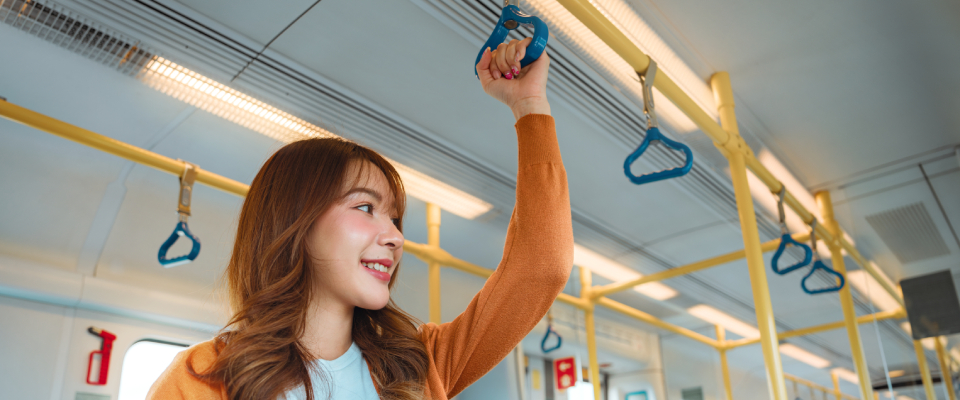
Does public transit matter when apartment hunting in Pittsburgh?
Where you live in Pittsburgh decides which of these options are within reach. An apartment in Oakland puts you steps from dozens of bus routes and the University Line. A place in the South Hills leans on the T. A home in the East End tends to revolve around the East Busway.
No single option is better on its own. It comes down to where you need to go. When you tour apartments, it helps to weigh transit the way you’d weigh natural light or a dishwasher. A few questions worth asking:
- How far is the nearest bus stop, T station or busway station, and how often does service run?
- Does the route actually go where you need to be on weekdays and weekends?
- Is there a POGOH station close by for shorter trips?
- How walkable is the block for groceries, coffee and daily errands?
Neighborhoods like Downtown, Oakland, Shadyside, Squirrel Hill and the North Side tend to score well for getting around without a car, while parts of the South Hills work nicely if your life follows the T. If you can, ride a route or two before you sign a lease, take the bus during rush hour, try the T on a weekend or borrow a POGOH bike for an afternoon. Nothing tells you more about a neighborhood than moving through it the way you will every day.
FAQ
A: Plenty of renters in Downtown, Oakland, Shadyside, Squirrel Hill and the North Side go car-free thanks to frequent buses, the T and POGOH bikes, though it gets harder the farther out from the city you live.
A: Downtown, Oakland and Shadyside rank near the top for coverage, with East Liberty and Bloomfield well served by the East Busway and South Hills communities like Mt. Lebanon and Dormont connected by the T.
A: A single ride is a flat $2.75 and includes free transfers for three hours. The easiest ways to pay are the Ready2Ride app or a reloadable fare card, and anyone paying cash needs exact change.
A: It depends on your commute. The T is fast and traffic-free for South Hills and downtown trips, while buses and the busways cover far more of the city, especially heading east toward Oakland and the East End.
A: Yes, Oakland’s universities and the UPMC hospitals sit along the University Line and dozens of bus routes, and students at Pitt and Carnegie Mellon can often ride PRT and POGOH free through their schools.
Share this article:


Florin Petrut
Florin Petrut is a real estate writer and research analyst with RentCafe, using his experience as a social media specialist and love for storytelling to create insightful reports and studies on the rental market. With a strong interest in the renter experience, he develops data-driven resources that explore cost of living, affordable neighborhoods, and housing trends, helping renters make informed decisions about where and how they live. Florin holds a B.A. in Journalism and an M.A. in Digital Media and Game Studies.
Sign up for The Ready Renter newsletter
Get our free apartment hunting guide — plus local insights, trends and research.




Related posts
A renter’s guide to public transit in Fort Lauderdale, FL
Fort Lauderdale, FL, is known for its beaches, canals and year-round sunshine, but it also offers renters a surprisingly varied mix of ways to get…
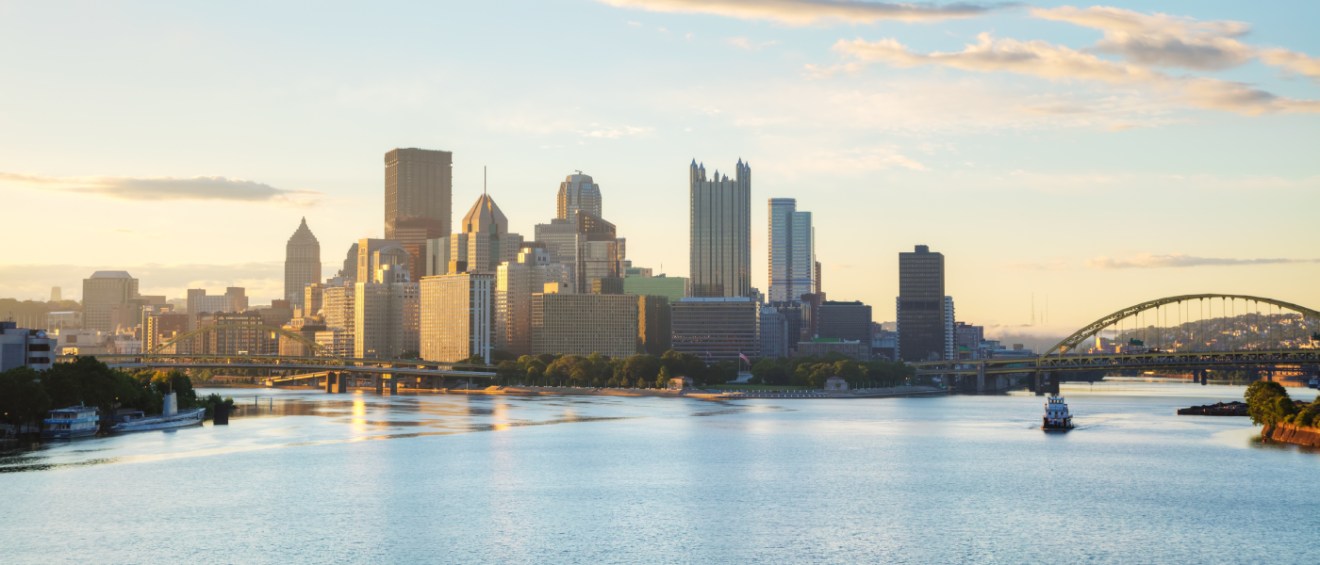
Here’s how to get around Pittsburgh as a renter using public transit
Pittsburgh is a city of three rivers, steep ridges and nearly 450 bridges. All that terrain shapes how you get from your front door to…
A renter’s guide to public transit in Trenton, NJ, and getting around without a car
Trenton sits at an unusual crossroads. New Jersey‘s capital is one of the few cities in the country where you can catch a train north…
Subscribe to
The Ready Renter newsletter