
Apartment pool rules: The written and unwritten ones every renter should know
Share this article:


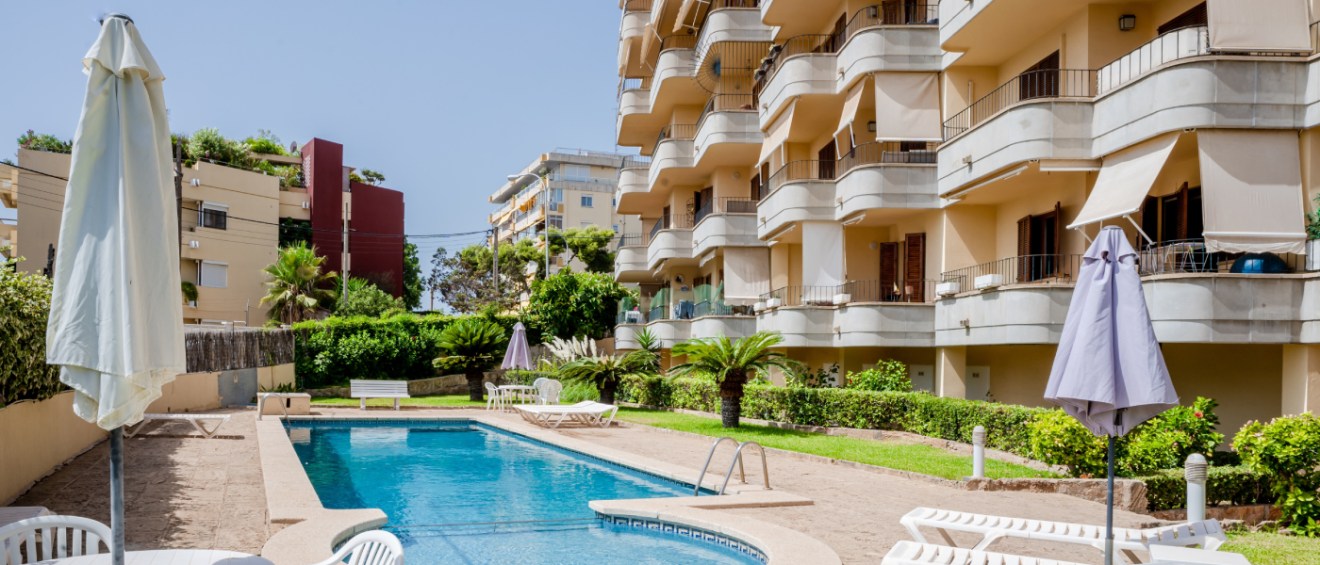
The community pool is one of the few amenities every resident shares at the same time. Unlike your apartment, where what you do stays behind your own door, your music, your guests and your towel on that last shaded chair all affect the people around you.
For first-time renters, the posted regulations are the easy part. They’re printed on a sign by the gate. The harder part is the etiquette nobody writes down, the kind that decides whether neighbors are glad to see you or quietly annoyed.
Knowing both sets of apartment pool rules helps you relax, avoid awkward run-ins and enjoy the season you are paying for.
Apartment pool rules 101
- Posted apartment pool rules cover safety and health basics: shower before entering, no glass, guest limits and set hours.
- Unwritten etiquette carries as much weight as the posted signs. Chair-saving, loud music and hogging the deck cause most of the friction between neighbors.
- Swimwear should fit a shared family space, not a private backyard.
- Cleaning up your trash, towels and floats keeps the pool open and welcoming for everyone.
- When a rule is unclear, check your lease or ask your property manager before you assume.
What are the most common posted apartment pool rules?
These are the official community pool rules your property sets and can enforce, with most apartment pools sharing the same core list.
| Rule | Why it exists |
|---|---|
| Posted hours only | Pools without a lifeguard often close at dusk for safety and noise reasons. |
| No glass | Broken glass in or near water is a serious hazard and can close the pool for cleaning. |
| Shower before entering | The CDC recommends rinsing for at least one minute to remove dirt and sweat that use up the chlorine meant to kill germs. |
| Guest limits | Caps keep the pool from getting crowded beyond what it can safely hold. |
| No diving in shallow areas | Diving where it is too shallow is a leading cause of pool injuries. |
| Children supervised by an adult | Drowning is the leading cause of death for children ages 1 to 4, so most communities require adult supervision. |
| No running on the deck | Wet concrete is slick, and falls are common. |
These swimming pool rules are not there to spoil the fun. They exist because a shared pool serves dozens of households, and one accident or health scare can shut it down for everyone.

Keep in mind that pool codes vary by state. The CDC publishes a voluntary Model Aquatic Health Code, but each state and city set its own requirements, so your community’s signs are the rules that apply to you.
Why do you have to shower before swimming?
A pre-swim rinse removes sweat, dirt and lotion that would otherwise eat up the pool’s chlorine.
This is one of the posted rules people skip the most, partly because the reason is not obvious. When chlorine mixes with sweat, dirt and other things on your skin, it forms the compounds that sting your eyes and create that heavy “pool smell.” Worse, every bit of chlorine spent on your sunscreen is chlorine that is not killing germs. A one-minute rinse protects the water quality for everyone who gets in after you.
What are the unwritten pool etiquette rules?
The unwritten rules are the social norms that keep a shared pool pleasant. They are not posted, but neighbors notice when you ignore them.
Here is where most poolside tension actually comes from.
- Chair-saving: Draping a towel over a lounger at 9 a.m. and showing up at 2 p.m. is the fastest way to irritate neighbors. Claim a chair when you are using it, not hours ahead.
- Music volume: Your playlist is not everyone’s playlist. Keep speakers low or use headphones. If a neighbor can hear your music from across the deck, it’s too loud.
- Swimwear: A community pool is a mixed, family setting. Choose swimwear you would feel fine wearing in front of kids and older neighbors.
- Deck space: Spreading your bag, cooler and three floats across four chairs reads as rude when the deck is busy. Take the space you need and leave the rest.
- Phone calls: Speaker-phone calls and loud videos travel. Step away from the water if you need to take a call.
- Kids and horseplay: Watch your own children closely and step in before splashing or cannonballs near others turn into a problem.
None of these show up on the gate sign. Following them anyway is what separates a good pool neighbor from the one everyone gripes about in the resident group chat.

How does cleaning up after yourself fit in?
Leaving the pool area as clean as you found it is the simplest etiquette rule, and the one with the biggest payoff.
Trash, food wrappers and forgotten floats pile up fast at a shared pool. Wet towels left on chairs and crumbs on the deck attract bugs and create work for the staff who keeps the amenity open.
Treat the pool like a space you borrow rather than one you own. Pack out what you bring in, push your chair back and toss your trash on the way out. This single habit protects pool access more than almost anything else because pools that get trashed tend to get more restrictions, shorter hours or closures.
What should you do if someone breaks the rules?
Start with a friendly, direct word, and save formal complaints for safety issues or repeat problems.
Most people are not trying to be difficult. A neighbor saving chairs or playing loud music often does not realize it bothers anyone. A calm, polite ask handles the situation more often than not.
For health or safety concerns, like glass near the water or unsupervised young children, contact your property management or the front office. They’re responsible for enforcing the posted apartment pool rules and can step in without putting you in the middle.
FAQ
Q: Can I bring guests to my apartment pool?
A: Usually yes, but most communities set a guest limit per resident and may require guests to be accompanied at all times. Check your lease or the posted swimming pool rules for the exact number, since it varies by property.
Q: Are apartment pools open year-round?
A: In most of the country, no. Outdoor community pools commonly open around Memorial Day and close near Labor Day. Warmer regions and properties with heated or indoor pools may stay open longer. Your management will post the season’s hours.
Q: Can kids swim without an adult?
A: Most apartment pool rules require an adult to supervise children under a certain age, since pools without a lifeguard rely on parents for safety. Drowning is a leading cause of death for young children, so check your community’s posted age requirement and never leave kids unattended near water.
Q: What happens if I break apartment pool rules?
A: It depends on the rule and your property. A first, minor slip might bring a friendly reminder. Repeated or serious violations, like bringing glass or having unregistered guests, can lead to written warnings or losing pool access for a time. Your lease spells out how your community handles it.
Q: Is it OK to save a pool chair for a friend who is on the way?
A: Saving a chair for someone arriving within a few minutes is generally fine. Reserving multiple loungers for hours or for people who have not arrived yet frustrates neighbors and goes against shared-space etiquette.
Share this article:


Florin Petrut
Florin Petrut is a real estate writer and research analyst with RentCafe, using his experience as a social media specialist and love for storytelling to create insightful reports and studies on the rental market. With a strong interest in the renter experience, he develops data-driven resources that explore cost of living, affordable neighborhoods, and housing trends, helping renters make informed decisions about where and how they live. Florin holds a B.A. in Journalism and an M.A. in Digital Media and Game Studies.
Sign up for The Ready Renter newsletter
Get our free apartment hunting guide — plus apartment living tips, trends and research.




Related posts
Apartment pool rules: The written and unwritten ones every renter should know
The community pool is one of the few amenities every resident shares at the same time. Unlike your apartment, where what you do stays behind…
Media room etiquette: A renter’s guide to sharing the big screen
Media rooms are one of many rental apartment amenities that make daily life easier. If you’re planning a movie night or catching a game with…

What is a media room in an apartment building? A first-time renter’s guide
When you’re touring your first rental apartment, it’s easy to focus on square footage, rent price, and whether there’s in-unit laundry. But shared amenities can…
Subscribe to
The Ready Renter newsletter