Share this article:


The club house in a residential apartment building is often seen as a shared extension of your living space. It is where neighbors gather, relax, celebrate, and occasionally work.
While most buildings provide written guidelines, there is another layer of expectations that is rarely spelled out. These unspoken rules shape how renters coexist and enjoy shared amenities.
Key takeaways
- Respect shared space as if it were your own living room.
- Be mindful of noise, especially during evenings and weekends.
- Clean up immediately after using the space.
- Avoid monopolizing amenities or seating areas.
- Be courteous to neighbors with different lifestyles and schedules.
Why the club house culture matters
A club house is an amenity that reflects the community culture of the building. Renters from different backgrounds share this space, which naturally creates a mix of expectations and habits.
When everyone follows both the written and unwritten rules, the space feels welcoming. When these norms are ignored, tension can build quietly. This is why understanding etiquette is essential for renters who want to fully enjoy their living environment.
Respecting shared space
Even though you have access to the club house, it remains a communal environment. This means your behavior should reflect shared ownership rather than personal entitlement.
Some commonly understood practices include:
- Returning furniture to its original position.
- Avoiding leaving personal belongings unattended.
- Treating décor and equipment carefully.
These small actions signal respect for both neighbors and property management without placing any burden on either.
Managing noise levels
Noise awareness is one of the most important unspoken expectations in a shared residential setting. What feels reasonable to one person may feel disruptive to another.
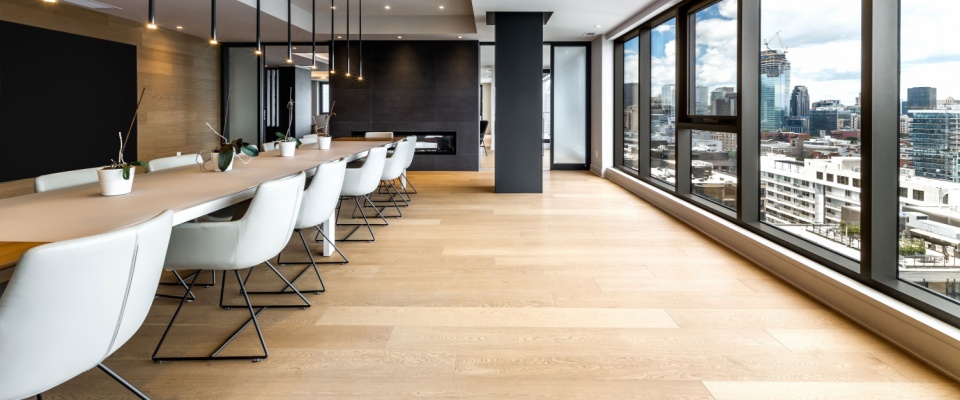
To maintain balance, residents typically follow these informal guidelines:
- Keep conversations at a moderate volume.
- Avoid loud music or TV during evening hours.
- Be especially mindful on weekends and late nights.
This helps ensure the club house remains usable for relaxation, not just entertainment.
Cleanliness expectations
Though it’s rarely detailed in lease agreements, cleanliness it plays a major role in shared comfort. The expectation is simple: leave the club house in the same condition you found it, or better.
This usually includes:
- Throwing away trash immediately.
- Wiping down tables and surfaces.
- Returning shared items to their proper place.
These habits prevent frustration from building among renters and keep the space consistently inviting.
Avoiding overuse of shared amenities
One subtle but important rule is not monopolizing the club house. Even if the space is empty when you arrive, others may plan to use it later.
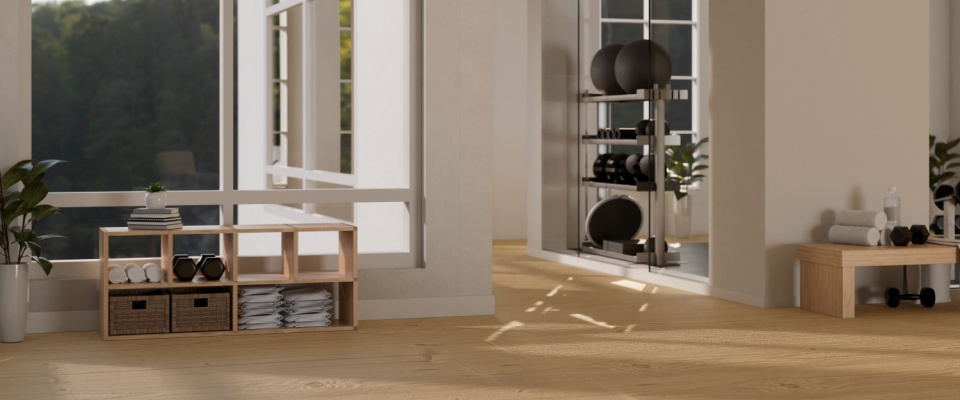
So that you keep things fair:
- Limit extended use of popular amenities.
- Share seating areas during busy times.
- Be flexible if the space becomes crowded.
This approach ensures equal access without the need for strict enforcement.
Hosting guests responsibly
Inviting guests into a shared residential space is generally acceptable, but it comes with expectations. As a renter, you are responsible for how your guests behave.
A few important considerations include:
- Keep group sizes reasonable unless the space is reserved.
- Ensure guests follow noise and cleanliness norms.
- Avoid disrupting others who are using the space.
This keeps the club house enjoyable for both renters and visitors.
Understanding timing and usage patterns
Every apartment building develops informal patterns for shared space usage. Recognizing these patterns can help you plan your time more effectively.
Peak usage periods often include:
- Evenings after work hours
- Weekends
- Holidays or special occasions
During these times, patience and flexibility go a long way in maintaining a cooperative environment.
Social awareness and boundaries
The club house often serves as a social hub, but not everyone uses it for the same purpose. Some renters seek conversation, while others prefer quiet time.
Good etiquette around the club house includes:
- Offering a polite greeting without forcing interaction.
- Respecting personal space and body language.
- Avoiding intrusive or overly personal conversations.
Balancing friendliness with awareness helps create a comfortable atmosphere for everyone.
Work and technology etiquette
As remote work becomes more common, shared spaces are often used for productivity. This adds another layer of unspoken expectations.
When working in shared areas:
- Use headphones for calls and media.
- Avoid speakerphone conversations.
- Keep work materials organized and contained.
These practices ensure that the space remains functional for both work and leisure.
Food and shared space courtesy
Bringing food into common areas is usually acceptable, but it requires mindfulness. Strong smells and messes can quickly affect others’ experience.
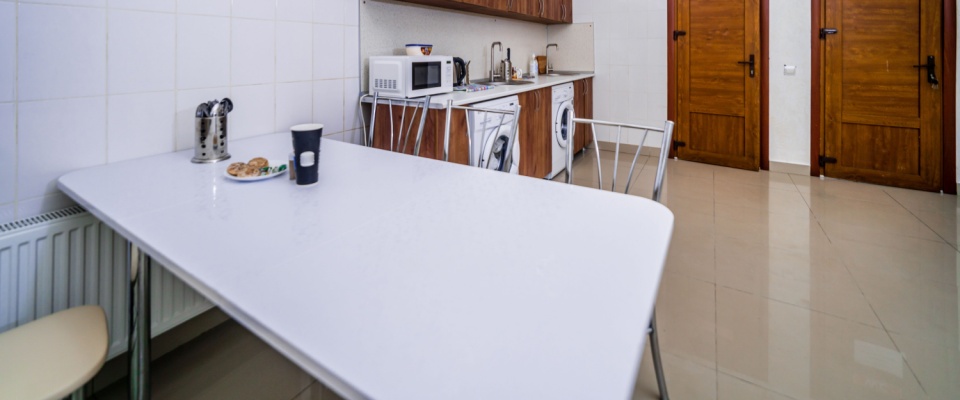
To maintain courtesy:
- Choose foods that are easy to manage and clean.
- Dispose of waste promptly.
- Avoid leaving leftovers or containers behind.
These habits help preserve the cleanliness and comfort of the environment.
Handling issues diplomatically
Even in well-managed communities, you may bump into an occasional issue. Someone may unknowingly break an unspoken rule.
When this happens:
- Approach the situation calmly and politely.
- Assume the issue is unintentional.
- Involve management only if necessary.
This approach maintains a positive atmosphere and avoids unnecessary conflict.
The unspoken rules of a club house in an apartment building are rooted in mutual respect and shared responsibility. While they may not be formally stated, they significantly influence the quality of residential living.
By being mindful of these expectations, you and your neighbors can enjoy the space fully while keeping harmony in the community. In the end, thoughtful behavior ensures that everyone benefits from this shared amenity.
FAQs: Unspoken rules of a club house
Q: What is the main purpose of a club house in an apartment building?
A: It serves as a shared social and recreational space for renters to relax and connect.
Q: Can I reserve the club house for private use?
A: Some buildings allow reservations, but policies vary and should be checked with management.
Q: Are guests allowed in the club house?
A: Yes, but renters are typically responsible for ensuring their guests follow community norms.
Q: What should I do if someone is being disruptive?
A: Politely address the issue by speaking with your neighbor or contacting management if the behavior continues.
Q: Is it okay to work remotely from the club house?
A: Yes, as long as you maintain quiet and respectful behavior toward others.
Share this article:


Adina Dragos
Adina Dragos is a real estate writer and research analyst with RentCafe. She has solid experience in real estate writing, covering topics ranging from best cities for renters and the top cities for rental activity to cost of living. Her work was featured in several prominent media channels such as Axios, The Dallas Morning News, ConnectCRE and The New York Times.
Sign up for The Ready Renter newsletter
Get our free apartment hunting guide — plus renting tips, trends and research.




Related posts
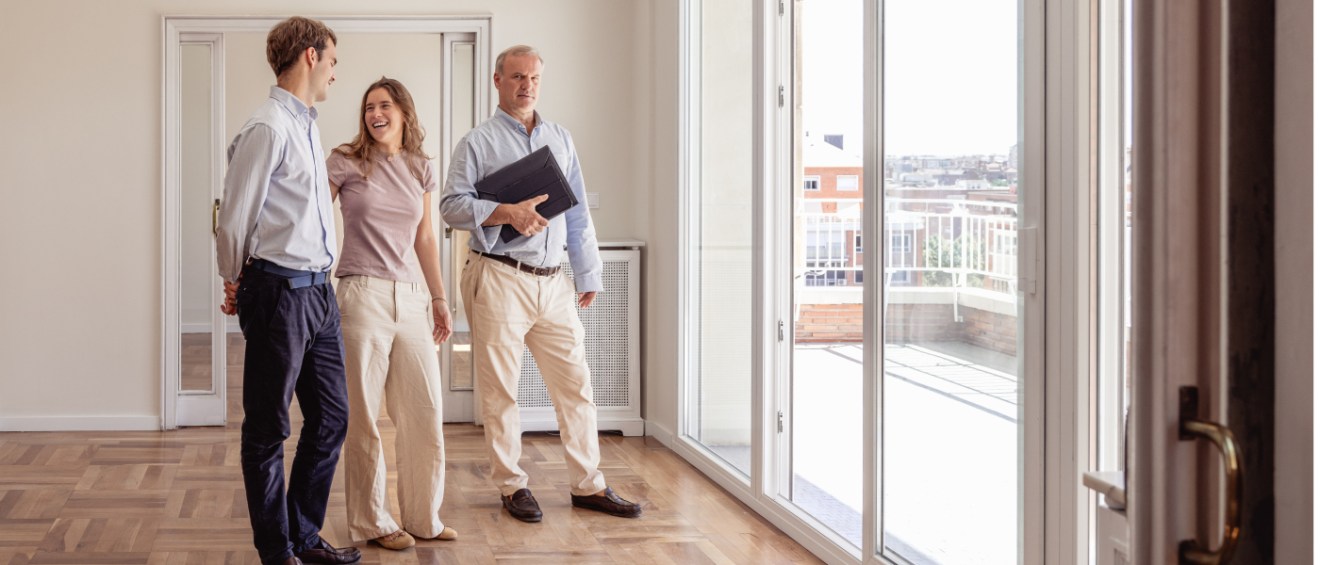
Timing your apartment tour: How light, noise and traffic change by the hour
Most apartment tours happen between 10 a.m. and 5 p.m., when leasing offices are staffed and the sun is doing the apartment a favor. The…
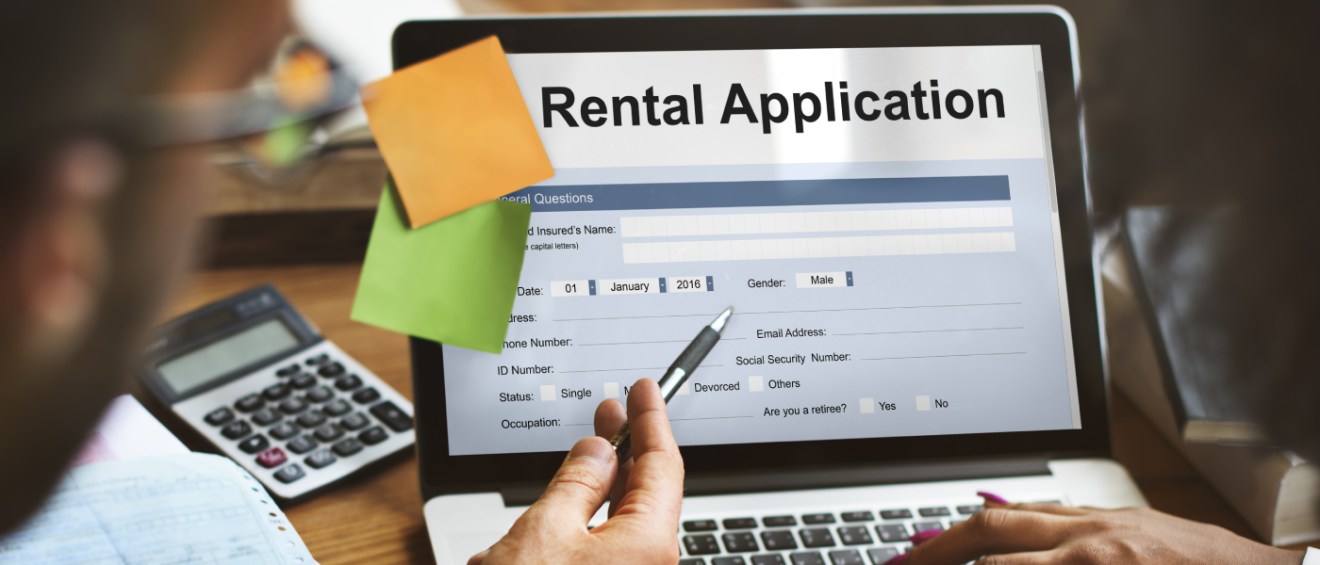
How many apartments should you apply to at once?
Finding an apartment you love feels great, right up until you reach the application step and freeze. Do you apply to that one place and…
Searching for apartments in late August: How to win the tail end of peak season
Searching for apartments at the end of peak season means moving fast, staying flexible and keeping your paperwork ready. Late-summer demand is still strong but…
Subscribe to
The Ready Renter newsletter