Car storage units in Lawrence, NY, and nearby area - 7 facilities and 299 available spaces.
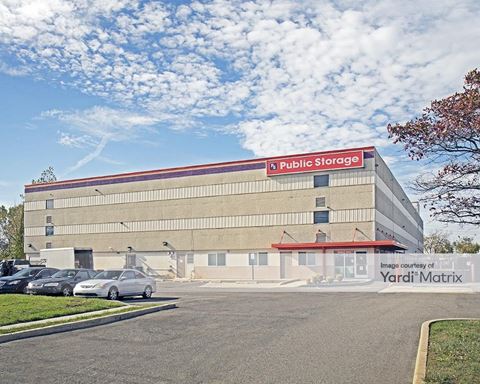
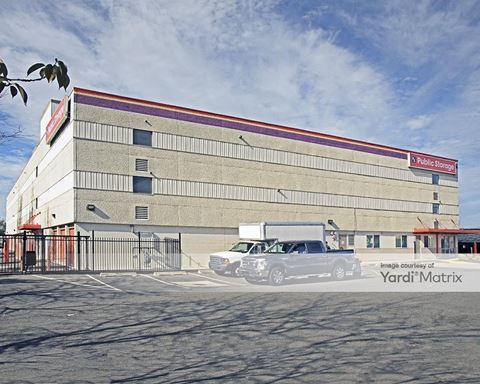
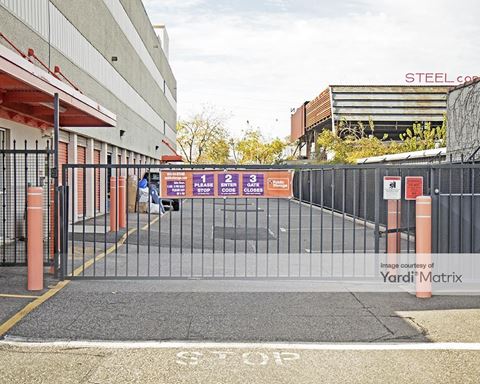
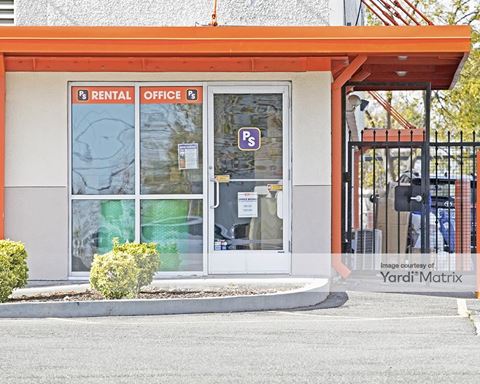
Sizes and pricing vary
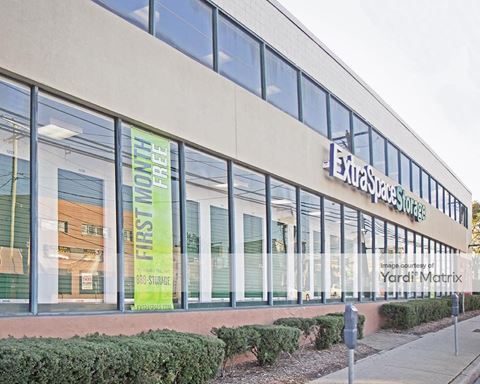
![Storage Units for Rent available at 270 West Merrick Road, Valley Stream, NY 11580]()
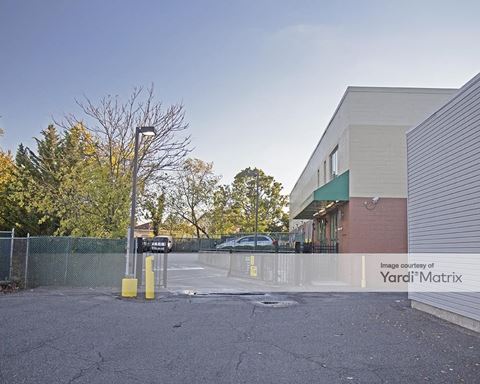
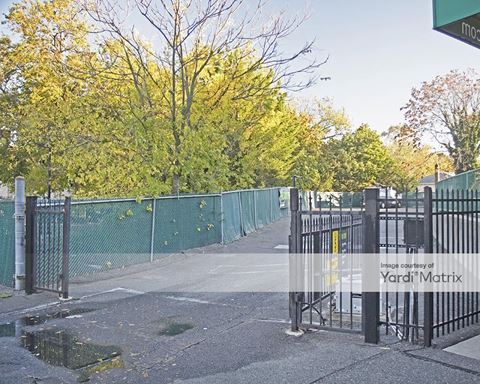
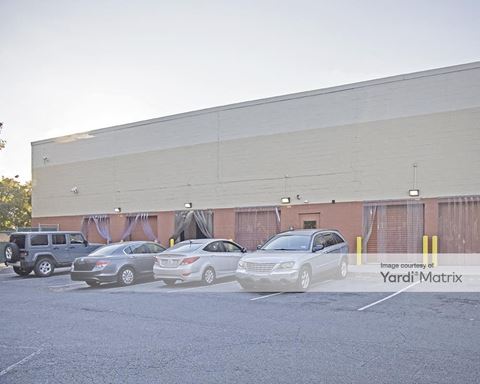
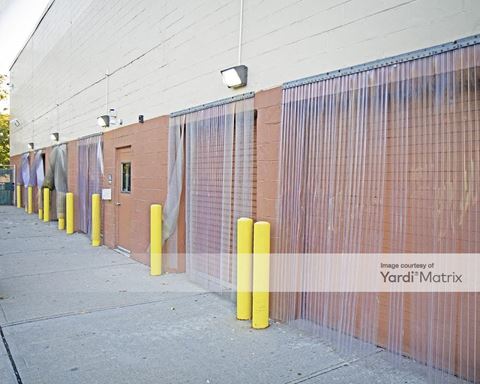 $300Large 8x25
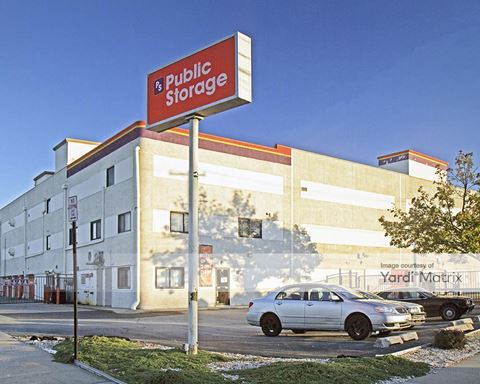
![Storage Units for Rent available at 817 Peninsula Blvd, Hempstead, NY 11550]()
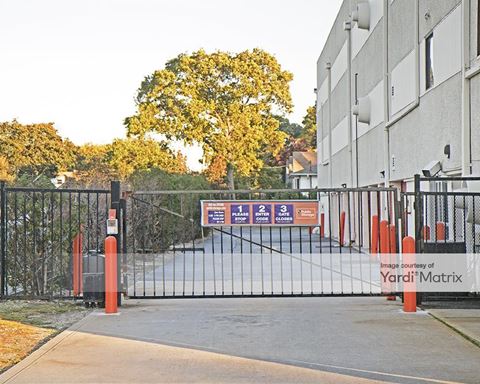
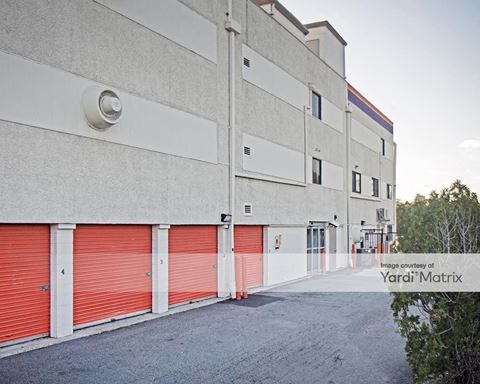
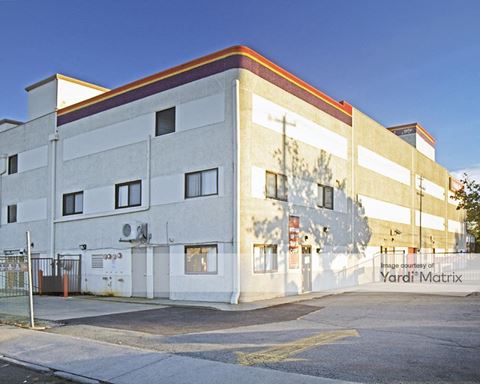
Sizes and pricing vary
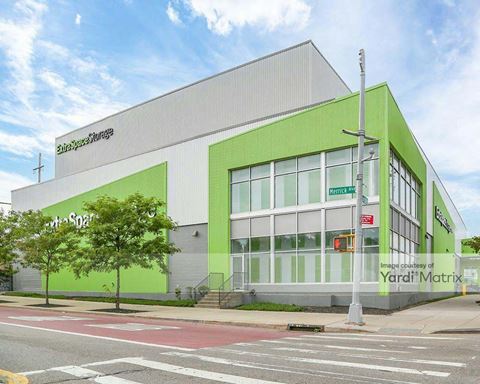
![Storage Units for Rent available at 134 - 31 Merrick Blvd, Jamaica, NY 11434]()
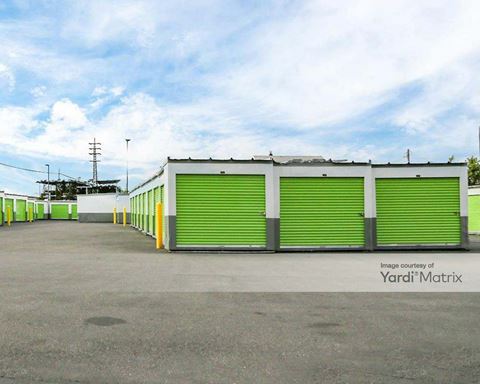
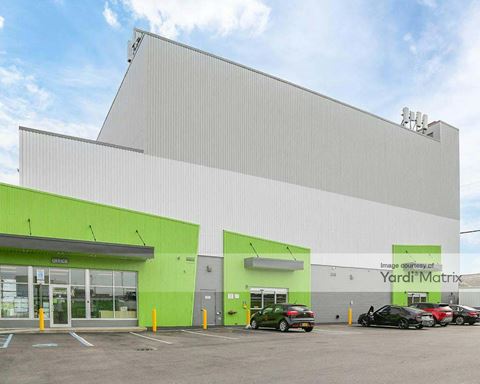
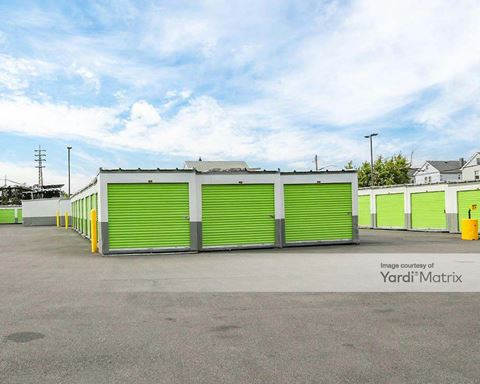 $741Large 10x20
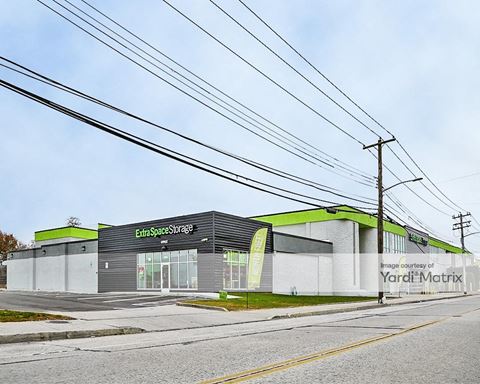
![Storage Units for Rent available at 2525 Long Beach Road, Oceanside, NY 11572]()
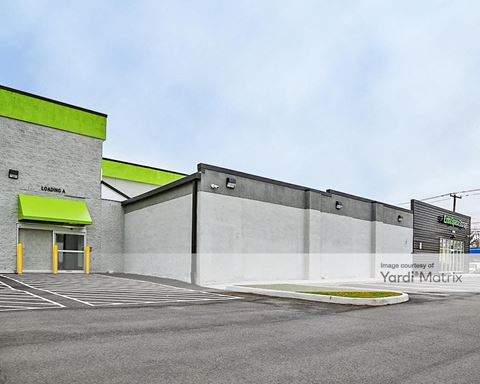
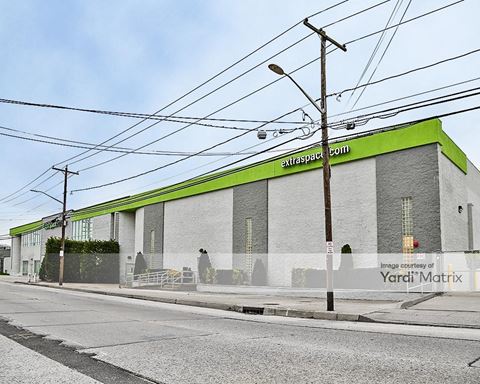
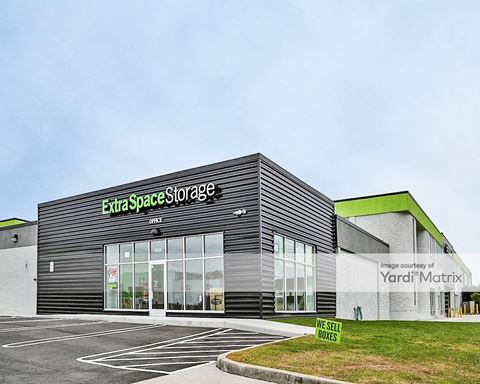
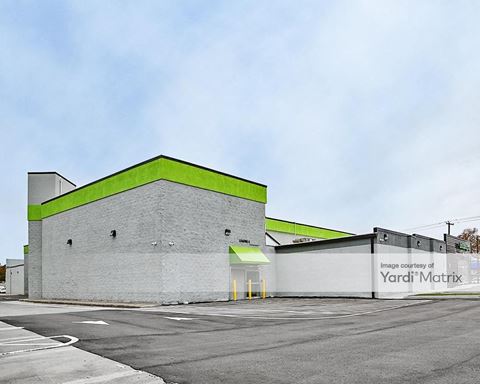 $209Medium 8x15$312Large 8x25
![Storage Units for Rent available at 156-01 Liberty Avenue, Jamaica, NY 11433]()
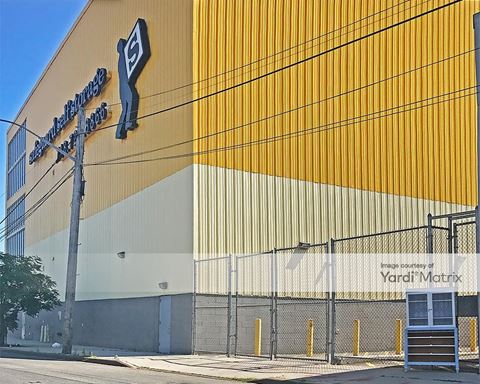
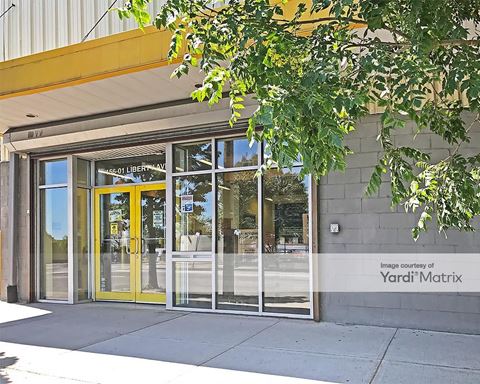
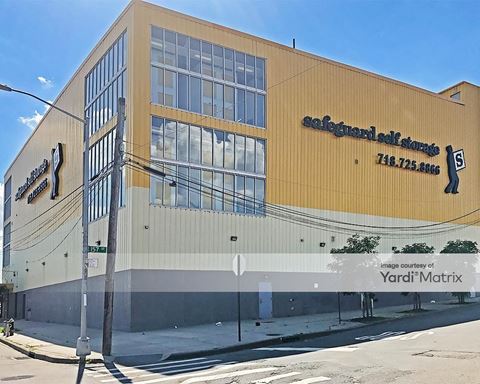 $224Large 10x20

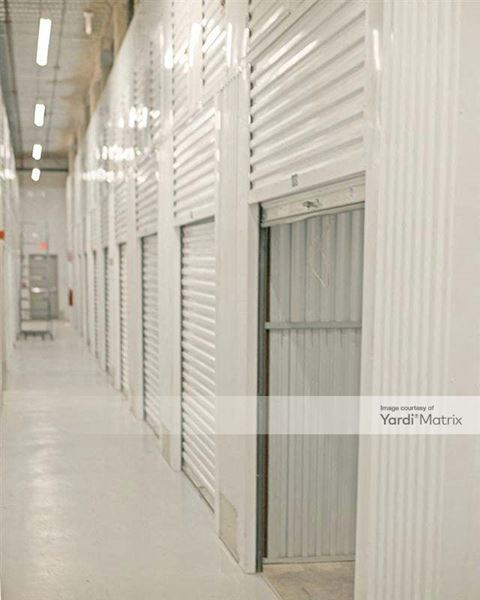
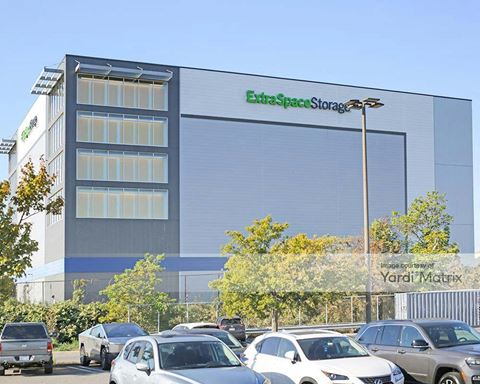
Trending storage types in Lawrence:

Check out car storage units in nearby cities:
- East Rockaway, NY from $15/mo
- Lynbrook, NY from $100/mo
- Valley Stream, NY from $29/mo
- Rockville Centre, NY from $80/mo
- West Hempstead, NY from $69/mo
- Great Neck, NY from $129/mo
- Massapequa, NY from $22/mo
- Hicksville, NY from $23/mo
- Bethpage, NY from $58/mo
- Port Washington, NY from $85/mo
- Amityville, NY from $53/mo
- Famingdale, NY from $36/mo
- Plainview, NY from $22/mo
- Syosset, NY from $35/mo
- Glen Cove, NY from $36/mo
- Hoboken, NJ from $72/mo
- Lindenhurst, NY from $69/mo
- Union City, NJ from $58/mo
- Jersey City, NJ from $19/mo
- Edgewater, NJ from $59/mo
Need more options? Browse storage units in other New York cities!
- New York City, NY from $7/mo
- Brooklyn, NY from $7/mo
- Queens, NY from $10/mo
- Manhattan, NY from $15/mo
- Bronx, NY from $7/mo
- Staten Island, NY from $9/mo
- Buffalo, NY from $29/mo
- Yonkers, NY from $17/mo
- Rochester, NY from $40/mo
- Syracuse, NY from $33/mo
- Albany, NY from $35/mo
- New Rochelle, NY from $12/mo
- Mount Vernon, NY from $21/mo
- Schenectady, NY from $19/mo
- White Plains, NY from $32/mo
- Hempstead, NY from $62/mo
- Troy, NY from $39/mo
- Niagara Falls, NY from $48/mo
- Penfield, NY from $51/mo
- West Seneca, NY from $36/mo
Types of car storage
With 1 car storage unit nearby, you’ve got some solid choices around Lawrence.
A car storage facility in Lawrence, NY may offer:
Outdoor storage
- May be open or covered
- Best for: Short-term storage or larger vehicles
Tip: Use a weatherproof cover for protection
Indoor storage
- Offers the highest level of protection
- Often includes climate and humidity control
- Ideal for long-term, luxury, or seasonal vehicles


What’s the best size for a vehicle storage space?
Choosing the right unit size depends on the type and length of your vehicle. Here’s a quick guide to help you pick the best fit:
10′ × 15′ – Best for compact cars and hatchbacks
- Works well for vehicles under 15 feet long
- Ideal for short-term or seasonal storage
- Examples: Mini Cooper, Honda Fit, Mazda Miata
10′ × 20′ – Fits most sedans, crossovers, and small SUVs
- A popular choice for everyday cars
- Also fits small pickups with standard beds
- Examples: Toyota Camry, Honda CR-V, Ford Ranger
10′ × 25′ – Good for full-size sedans, SUVs, and standard pickups
- Allows extra space for larger vehicles or tighter maneuvering
- Great for long-term storage or occasional access
- Examples: Ford F-150, Chevy Tahoe, Dodge Charger
10′ × 30′ – Ideal for oversized vehicles
- Accommodates vans, extended cab trucks, and long-bed pickups
- Recommended for vehicles over 19 feet long
- Examples: Chevrolet Silverado Crew Cab, Ford Expedition Max, Sprinter van
Tip: Always measure your vehicle (including mirrors or attachments) before booking to ensure a proper fit.


How to get your vehicle ready for storage
Before storing your car, be sure to:
- Wash and wax to protect the exterior
- Check and top off fluids (oil, brake fluid, coolant)
- Fill the gas tank and add fuel stabilizer
- Inflate tires to the proper PSI
- Disconnect the battery or use a maintainer
- Use a breathable, fitted car cover
What documents you need to store your car
Storage facilities may have specific requirements before you can store your vehicle:
- Proof of ownership (vehicle title or registration)
- Valid government-issued ID
- Proof of insurance (some facilities require it even if your car is off the road)
- Up-to-date registration (requirements vary by state and facility)
Tip: Always check with the facility in advance, as some will not accept vehicles with expired registration or no insurance. Read your lease agreement carefully and ask about storage-specific insurance options.
How secure your car is in self storage
When choosing a car storage facility, security is crucial. Here’s what to look for:
- 24/7 video surveillance and monitored security systems
- Gated access with keypad or card entry
- Well-lit premises and secure fencing
- On-site staff or regular patrols
- Reputation for safety in the local community
Tip: Ask the facility about recent upgrades to their security and check online reviews for peace of mind.
Frequently asked questions
Can I put a car in a storage unit?
Yes – most standard vehicles fit in a 10′×20′ unit or larger. Be sure to measure your car and check height/width clearance (usually 7'8").
How often should I start a stored car?
Every 2 weeks is ideal to keep fluids moving and the battery charged. If you're storing in a climate-controlled space, once a month may be fine.
Do I need insurance?
Yes. Most facilities require proof of insurance, and it helps protect your vehicle from theft, fire, or damage during storage.
Methodology Note: Self storage data - including pricing and unit information - is analyzed and curated by RentCafe Self Storage. Statements reflect local market coverage and storage availability trends within the area.
Data sources: RentCafe Self Storage Research, Yardi Matrix, U.S. Census.